
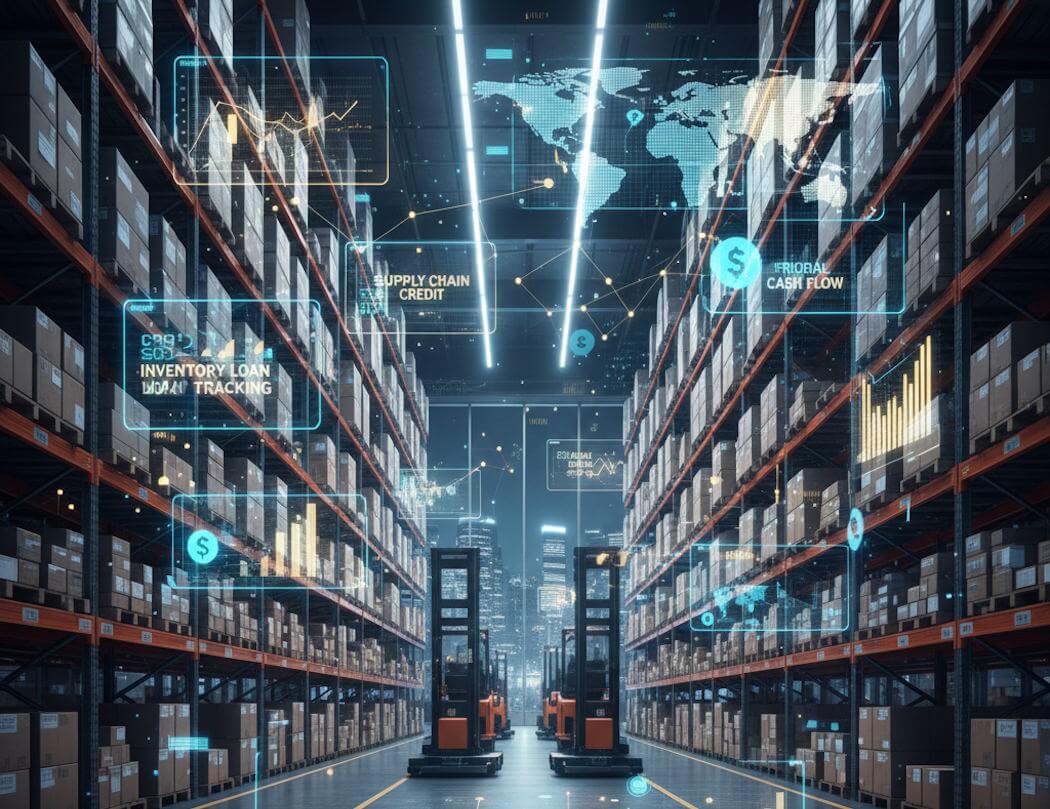
Corporate debt has quietly become one of the biggest burdens for growing businesses. Whether it’s delayed customer payments, rising operational costs, or a slowdown in cash flow at the worst possible time, debt tends to snowball before leadership even notices. But there is good news: companies now have more tools than ever to strategically reduce debt without sacrificing growth. One of the most effective — yet still underused — tools is logistics financing.
Logistics financing helps unlock the value trapped inside supply chains. It gives businesses the ability to turn inventory, shipments, and receivables into immediate liquidity. With the right approach, this financing method can dramatically shrink debt burdens and stabilize cash flow cycles. And for companies already overwhelmed by overdue invoices or collection issues, even resolving past complications — such as dealing with TekCollect debt collection accounts — becomes far more manageable when supply-chain-based financing mechanisms are in place.
Why Debt Accumulates Faster Than Most Leaders Expect
Debt doesn’t usually appear suddenly. It grows in small, subtle ways through daily business operations. A few delayed payments here, a seasonal sales dip there — and before long, a company is juggling credit lines, vendor obligations, and bank debt simply to stay afloat.
Common causes of corporate debt accumulation include:
- Slow-paying customers that create unexpected cash flow gaps.
- High upfront operational costs that drain liquidity before revenue arrives.
- Supply chain disruptions that delay sales and increase storage costs.
- Over-reliance on bank loans or credit to keep working capital moving.
- Seasonal volatility causing uneven revenue cycles.
Most of these issues are rooted in a single challenge: cash flow timing. Even profit–positive businesses can fall behind if money doesn’t move fast enough through the system. That’s where logistics financing becomes a very powerful tool.

What Exactly Is Logistics Financing?
Logistics financing refers to a category of financial tools that allow businesses to convert parts of their supply chain into fast cash. This includes inventory financing, shipment-based funding, warehouse receipts financing, and purchase-order financing.
Instead of waiting weeks or months for payments to arrive, businesses gain immediate working capital.
Types of Logistics Financing:
- Inventory Financing: Use stored goods as collateral to receive capital.
- Purchase Order Financing: Receive funds upfront to fulfill large customer orders.
- Accounts Receivable Financing: Turn unpaid invoices into instant liquidity.
- Trade Finance: Support cross-border operations through funded imports/exports.
- Supply Chain Financing: Allow suppliers to get paid early at low cost.
Every one of these tools solves a specific cash flow problem, helping companies avoid unnecessary short-term borrowing or expensive credit dependence.
How Logistics Financing Actively Reduces Corporate Debt
Corporate debt isn’t just a number on a balance sheet; it affects decision-making, slows innovation, and increases stress across departments. Logistics financing, when used strategically, can stop the debt cycle by injecting liquidity at critical stages of the supply chain.
1. Improves Cash Flow Timing
Instead of borrowing to cover short-term expenses, companies can use the value of their inventory or receivables. Funds arrive when needed — not weeks after invoices are paid.
2. Reduces Dependence on High-Interest Loans
Logistics financing typically carries lower risk and therefore offers more favorable terms than traditional loans. Companies can break free from revolving credit cycles that quietly erode profitability.
3. Supports Sustainable Expansion
When businesses have stable, predictable liquidity, they can reinvest confidently: hiring talent, upgrading logistics systems, improving product lines, or expanding into new regions — all without adding debt.
4. Helps Avoid Supply Chain Disruptions
A funded supply chain is a resilient supply chain. Even during market fluctuations, companies can continue operations smoothly without needing emergency financing.
5. Strengthens Supplier Relationships
When suppliers are paid early through supply chain financing programs, they often offer better terms, pricing, or priority — indirectly reducing financial pressure on the company.
Practical Example: How Companies Use Logistics Financing to Clear Debt
Imagine a mid-sized manufacturing business:
- 40% of revenue is tied up in slow-moving inventory.
- Invoices are paid after 45–90 days.
- The company relies on short-term loans to cover payroll and supplier payments.
By implementing inventory financing and accounts receivable financing, the company unlocks cash that was previously trapped in operational cycles. Within months:
- Short-term debt usage drops by 60%.
- Supplier payments become more consistent.
- Emergency borrowing is eliminated.
- Financial stress decreases across the organization.
Instead of reacting to debt, the company proactively prevents it.
When Is Logistics Financing the Best Option?
Not every business needs logistics financing, but it offers tremendous value for companies that:
- Have valuable inventory or receivables but low available cash.
- Operate in industries with long payment cycles (manufacturing, import/export, retail, automotive parts, electronics, etc.).
- Face seasonal demand spikes and dips.
- Are trying to reduce existing corporate debt without shrinking operations.
- Want to scale but lack sufficient working capital.
If your company experiences any of these patterns, logistics financing can transform the way you manage debt and liquidity.
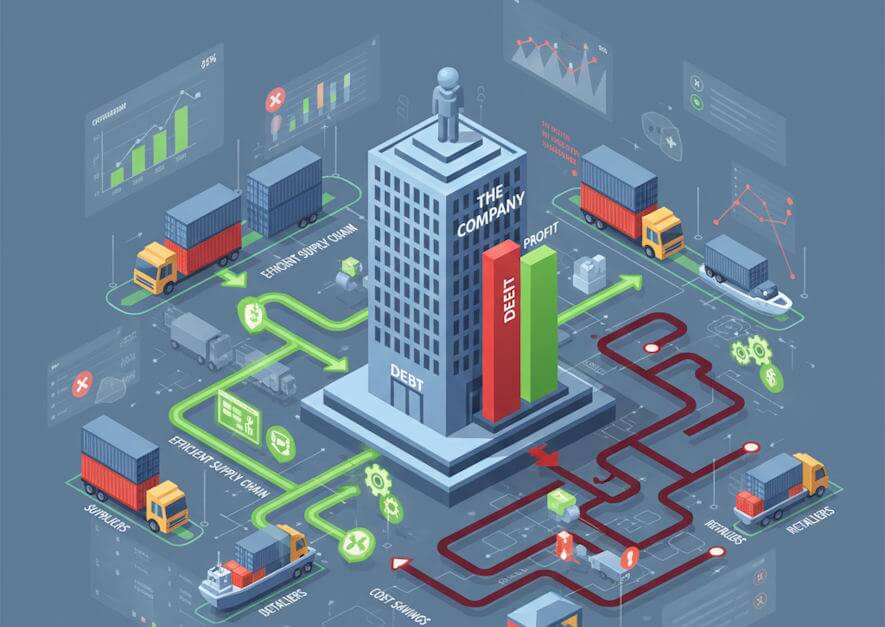
Key Benefits That Make Logistics Financing Debt-Friendly
- No need for additional borrowing. It relies on existing assets, not new liabilities.
- Flexible repayment structure. Funding aligns with inventory or invoice cycles.
- Faster access to capital. Many solutions provide funding in days, not months.
- Lower risk. Lenders see supply chain assets as strong collateral.
- Better supplier and customer relations. A smoother supply chain helps everyone involved.
Steps to Start Reducing Corporate Debt Through Logistics Financing
1. Assess Your Current Debt and Cash Flow Gaps
Identify where the largest liquidity delays occur — for many businesses, it’s unpaid invoices or slow inventory turnover.
2. Evaluate Which Logistics Financing Tools Fit Your Situation
A company with massive receivables may use AR financing, while one with heavy inventory may rely on warehouse receipt financing.
3. Partner With a Reliable Financing Provider
Choose partners who understand your supply chain and can offer tailored terms instead of generic loan structures.
4. Integrate Financing Into Your Supply Chain Workflow
Once funding is integrated smoothly, your business should see fewer cash shortages and reduced need for high-interest borrowing.
5. Reinvest Savings Into Operations
With debt reduced, channel resources into growth — not survival.
Conclusion: A Smarter Path Out of Debt
Corporate debt doesn’t have to define your company’s future. Logistics financing provides a practical, sustainable alternative to traditional borrowing. By unlocking capital trapped in supply chain assets, businesses can smooth out cash flow cycles, decrease dependency on loans, and take control of their financial stability.
With the right strategy, logistics financing doesn’t just reduce debt — it empowers companies to grow confidently, invest wisely, and build long-term resilience. In a world where markets shift quickly and supply chains face constant pressure, every advantage helps. And freeing your company from unnecessary debt might be the most important advantage of all.





 Financial Analyst & Luxury Asset Lending Specialist